Scene Changes and False Endings: Arranging Club Edits Like a Weeknight Soap
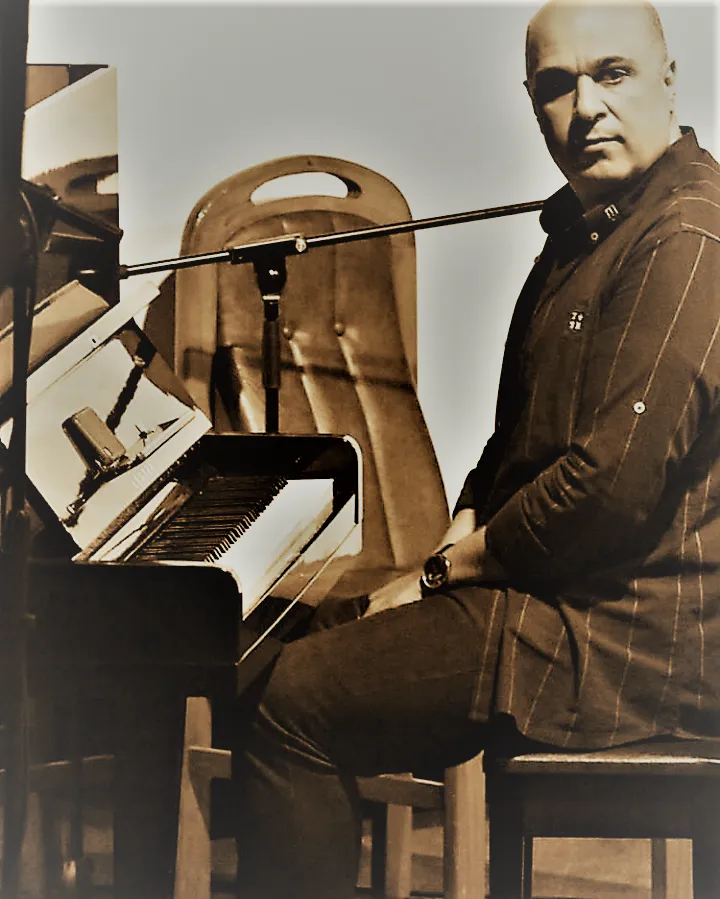
Photo: Sleeppoint mehdi, CC BY-SA 4.0, via Wikimedia Commons
Soap operas are ruthless arrangers. A weeknight episode of EastEnders, Coronation Street or Emmerdale has roughly half an hour to keep you from putting the kettle on, and it does that by constantly setting up a question and delaying the answer. Not by throwing everything at you at once. That is a surprisingly useful model for a club remix, especially when your edit is in danger of becoming a six-minute tour of every idea in your sample folder.
The trick is not to make your track sound like incidental music from the Rovers Return. It is to steal the pacing: short scenes, unresolved tension and regular payoffs. Here are three soap-opera structural devices worth mapping onto a UK dancefloor edit.
Short scenes, hard cuts
Watch a soap and count how long any single scene lasts. Most are over in 60 to 90 seconds. Each one has a job: reveal something, apply pressure, cut away. Nobody stands in the kitchen explaining the plot for four minutes.
Treat your remix in the same way. Think of 16-bar blocks as scenes. Each block should introduce one idea, make it felt, then hand over. Your intro might be kick, closed hats and a clipped vocal phrase. The next block adds bass. The next lets the vocal stretch out. The next pulls the kick for two bars and lets the room hear what is missing. You are not layering everything by bar 32 and hoping the arrangement sorts itself out.
Hard cuts help here. A filter sweep is fine, but a clean cut into a breakdown can feel like a soap scene change: abrupt, purposeful, slightly rude. The point is forward motion. If two blocks are doing the same job, one of them is an omnibus episode—cut it.
Leave a question hanging
Soaps end episodes on unresolved questions. Will she open the letter? Who was on the phone? The credits roll before the answer. In remix terms, that is not the same as an eight-bar silence with a reverb tail. It is a moment where the floor knows something is coming because you have removed a support beam.
Try a cliffhanger break: pull the kick and bass for eight bars but keep a vocal loop unanswered, or leave the last syllable of a hook hanging over a filtered chord. Do not fill the gap with a riser and a sample pack’s greatest hits. Let the absence do the work. Then pay it off with one new element—not the whole arrangement returning at once. The bass is often enough. A single conga. A stab that lands on the offbeat.
The dancefloor needs regular payoffs, though. Soaps have ad breaks; clubs do not. If you leave tension unresolved for too long, people do not lean in—they go to the bar. A useful rule is one clear payoff every 32 bars, with smaller answers inside that. Ask a question, answer it, ask a bigger one.
False endings and the Friday final chorus
Soaps love a false ending. The argument is resolved, the characters exhale, and then someone says the one line that reopens everything before the duff-duff. In a club edit, you can use the same move once—not three times.
Around the three-quarter mark, fake an outro. Filter the master down, drop the hats, let the reverb tail off and give the impression you are packing up. Hold it just long enough for a few people to look at each other. Then bring back the final chorus with one extra layer that has been held in reserve: a vocal ad-lib, a sharper clap, a bass octave. The final section should feel earned rather than like you copied and pasted the first drop.
This is where a lot of UK club edits go wrong. They mistake a false ending for a medley. A medley says, “Here is another song.” A soap-style arrangement says, “Here is the same story, but the stakes have changed.” Keep the same vocal hook and the same bass motif. Do not introduce a second tune just because you have eight bars to fill.
Casting the vocal as the long-running character
A soap does not introduce a new family every episode. It keeps the same faces and lets them react to new pressure. Your vocal is that long-running character. One lead phrase, one response, maybe a couple of ad-libs as supporting cast. If you keep adding hooks, the listener stops following any of them.
Slice the vocal so it can recur in different states: full phrase in the first payoff, chopped and filtered in the cliffhanger, doubled in the final chorus. That is character development, not repetition. The same goes for your bass. A remix holds together because the audience recognises the return of something, not because every section has a new guest star.
A one-page soap map for your next edit
You do not need a spreadsheet, but a rough map helps. For a five-minute club edit, try this: intro scene, vocal question, first payoff, cliffhanger break, second payoff, false ending, final chorus, short outro. Adjust the bar counts to taste, but keep the shape. The intro should not outstay its welcome, the cliffhanger should not be a black hole, and the final chorus should land like a Friday cliffhanger rather than a contractual obligation.
Soap pacing is just tension and release with a decent sense of humour. Borrow the short scenes, the dangling question and the one well-timed false ending. Then leave the actual duff-duffs to Albert Square—your dancefloor has its own credits to earn.