The Nine O'Clock Window: Remixing in 45 Minutes Without Waking the House
Let's be honest: the fantasy of the all-night remix session died somewhere around the first nursery run. In 2026, the average bedroom producer with kids has a window between the last bedtime story and the point where you fall asleep on the sofa with a laptop fan on your chest. If you're lucky, that's 45 minutes. The Remix Company isn't here to pretend otherwise. This is how to use that window without spending 20 minutes browsing kick samples and another 15 telling yourself you're 'just checking the low end'.
Set the clock before you set the tempo
The first rule of parent-production is that the session has a hard out. Not a vague intention. A real one. Put a timer on your phone, face it away from you, and treat the end of it like a school pick-up. You are not going to finish the remix tonight. You are going to move it forward by one solid, exportable step.
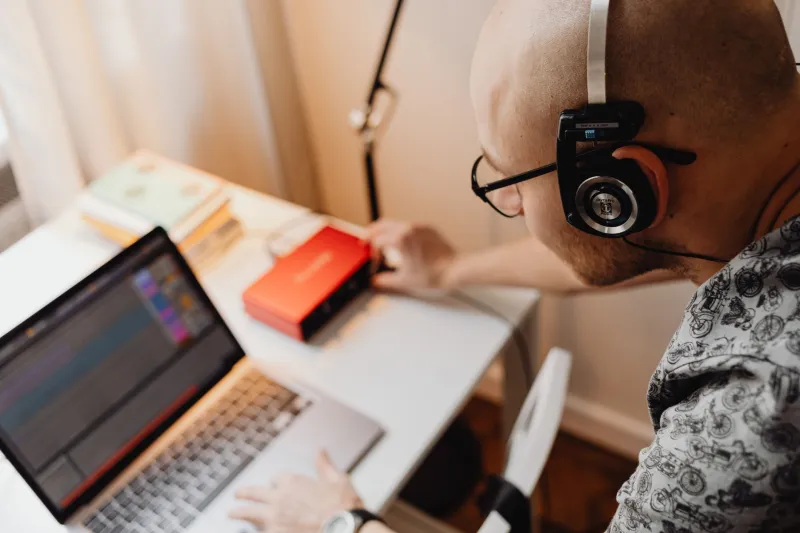
Before the kids are down, do the boring bit. Open your DAW, load the vocal, set the tempo, and save a project with a name that isn't 'Untitled 7'. If you can steal five minutes after lunch, build the skeleton then. The nine o'clock version of you should not be hunting for the acapella in a downloads folder while the washing machine finishes its spin cycle.
Build a template that assumes chaos
A good parent-production template is not about fancy plugins. It's about removing decisions. Have a default session with a drum bus, a bass bus, two vocal chains, a send for short room, a send for longer dub delay, and a limiter on the master that you will absolutely turn off before mixing properly.
Label everything. Colour-code the vocal. Put a high-pass filter on the reverb return before you even start. Save a second version called 'club rough' with a reference track already loaded and gain-matched. The aim is that when you sit down at 9 p.m., you are not deciding how to wire the studio. You are deciding how the remix goes.
This is also where you cheat responsibly. If a UK funky shuffle or a rolling house beat already works with the vocal, use it. Nobody is handing out medals for building every kick from a raw transient after bedtime. The remix is the point, not the sample-pack pilgrimage.
The one-decision rule
Every time you have a choice, give yourself one pass. One kick. One bass sound. One vocal chop. If it doesn't work in 90 seconds, move on and commit to something else. The enemy of the 45-minute session is not a lack of ideas. It's the endless auditioning of ideas you will never remember tomorrow.
Use folders. Mark favourites before the session starts. Delete the rest from view. If you find yourself comparing 14 claps at 9:37 p.m., you are not producing, you are scrolling with extra steps. Pick the clap that makes you nod, drag it in, and don't look back until the export.
A 45-minute plan that survives interruption
Here's a realistic split. It assumes one eye on the baby monitor and one eye on the arrangement.
- 0–5 minutes: Open the template, load the vocal, set a 16-bar loop, and choose the key groove. No new plugins.
- 5–15 minutes: Build the arrangement skeleton. Intro, verse, lift, drop, break, drop, outro. Don't detail anything yet. Just make the shape.
- 15–25 minutes: Sound choices with the one-decision rule. Drums, bass, one hook, one FX moment. Commit and freeze anything that tempts you to fiddle.
- 25–35 minutes: Headphone-safe mix. Levels, pans, high-pass filters, mono check. No subwoofer decisions.
- 35–42 minutes: Export a rough. Listen on your phone speaker at low volume. Make one fix only.
- 42–45 minutes: Save, write three notes for tomorrow, close the laptop.
That last step matters. If you leave the project open, you will drift back to it at 11 p.m. and ruin tomorrow. Close it. The remix will still be there.
The kick is not a pet
You know the trap. You solo the kick. You nudge the decay. You try a different sample. You solo it again. Suddenly it's 10:15 p.m. and you have not heard the vocal in 20 minutes. That is not mixing. That is percussion-based procrastination.
The fix is simple and slightly brutal: make kick decisions early, in context, at low volume, and then leave them alone. If the kick needs work later, it will still need work tomorrow. Tonight, you need a rough export that tells you whether the idea has legs. A club remix is not approved by soloing the kick; it's approved by how the whole thing moves when you're tired and the vocal comes back in.
Headphone-safe mixing after dark
Most parent-producers mix on headphones because the alternative is waking a small person who has just discovered the concept of 'one more drink of water'. That's fine, but don't trust headphones for sub-bass. Use a spectrum analyser as a sanity check, not as a god. High-pass everything that isn't kick or bass. Check mono. Reference a commercial track at the same perceived loudness, not the same fader position.
Keep your working level low. If you can hear the headphone cable rustle over the hi-hats, you're too loud. Low-level mixing also saves your ears for the school run and makes the rough export more honest. And please, don't slap a limiter on and call it loud. A rough with dynamics is more useful tomorrow than a squashed file that sounds like a fridge humming through a door.
Export like someone might interrupt you
At 9:42 p.m., export. Name it with the date and a version number. Drop it in a folder called 'listens'. If the baby monitor crackles, you should be able to close the lid without losing the idea. A rough export is not a failure; it's a message to future you. Tomorrow, on the bus or during a lunch break, you can listen properly and decide whether the drop needs a bar of nothing or the vocal needs to come in earlier.
The 45-minute remix is not about becoming a faster producer. It's about accepting the window you actually have and making it count. Kids down, tea gone cold, one export saved. That's a session. Do that three times in a week and you'll have a club-ready rough before the weekend. The Remix Company approves.