Two Rooms, One Remix: Building a Club Mix and a Phone Edit From the Same Session

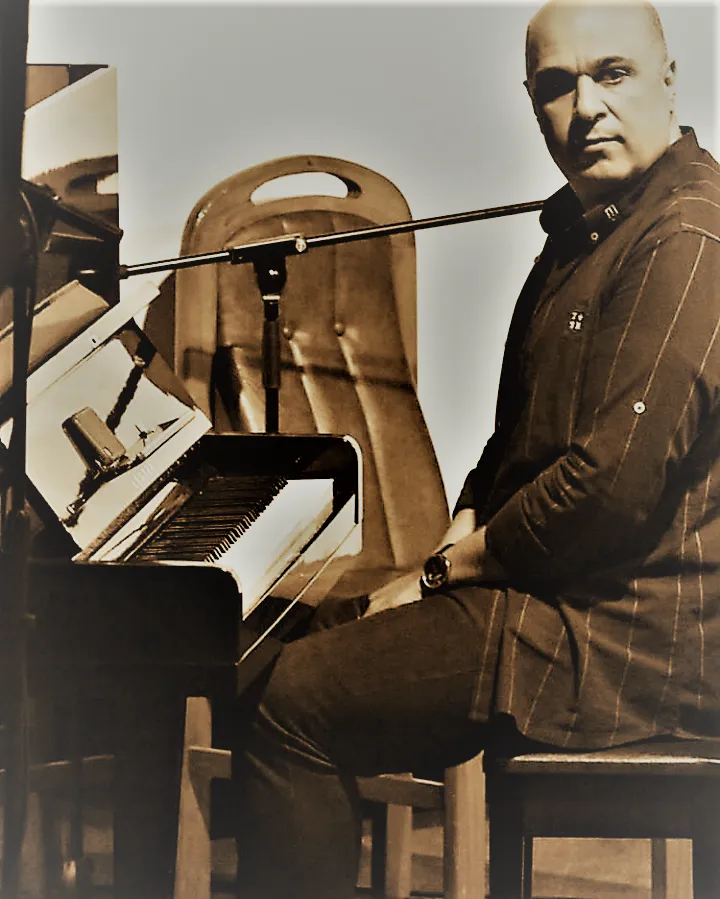
Photo: Photo by Smihael, Lightroom edit by Colin, CC BY-SA 3.0, via Wikimedia Commons
There’s a quiet trap in every remix project: you finish a club version, someone asks for a “short edit for the socials”, and you start hacking away at the arrangement until the whole thing feels like a trailer for a film nobody has seen. The low end disappears, the intro becomes a countdown, and the drop lands so early that the dancefloor version starts to feel like the odd one out. That’s backwards. The club mix is the parent; the vertical edit is the mate who knows how to get through the door.
So treat them as two rooms in the same house. Same foundations, different furniture. You don’t need a second project, a second creative brain or a second weekend. You need a duplicate, a clear set of markers and a rule about which version gets to be selfish.
Start With the Club Mix, Not the Clip
Build the dancefloor version first. Proper intro, proper groove, proper space for a DJ to blend. That means the bassline has room to breathe, the hats aren’t fighting the vocal, and the breakdown earns its keep. If you start by designing for a phone speaker, you’ll make decisions that sound exciting on a bus and thin in a basement.
Once the club mix is sitting comfortably, save a copy and rename it clearly. Something like TuneName_CLUB_2026 and TuneName_9x16_2026. Keep the original untouched. Every edit for vertical video happens in the copy. If you find yourself deleting the club intro to make the phone version work, you’re in the wrong file.
A simple marker system helps: HOOK, DROP, LOOP A, LOOP B, SAFE CUT. Put them on the timeline before you touch anything. The club mix can ignore them; the phone edit will live by them.
The Phone Speaker Is a Different Venue
Phone speakers are not tiny studio monitors. They’re tiny, uneven and weirdly good at exposing clutter. A club mix can hide a muddy mid-range behind weight and volume. A phone edit cannot. If the vocal loop and the lead synth are sharing the same pocket, the phone will turn them into one blurry noise.
Before you make the vertical edit, do a brutal mono check on the club mix. Then play it through your phone at low volume, not loud. Low volume is the real test: if the hook still reads, you’ve got something. If it only works when you crank it, the phone edit will need a different balance, not just a shorter arrangement.
For the 9:16 version, consider a slightly leaner mix bus. You don’t need to remix from scratch. A gentle high-pass on the sub, a touch more presence on the vocal and a bit less stereo width on the pads can make the phone version clearer without wrecking the club version’s bones. Keep those moves in the duplicate. The dancefloor file stays warm and heavy.
Arrange for the Thumb, Not the Booth
A vertical edit has a different clock. The first two or three seconds are the audition. The drop can’t wait until bar 33, and the intro can’t be a slow burn unless the visual is doing the heavy lifting. That doesn’t mean every phone edit needs a cartoonish countdown. It means the identity of the track has to arrive early.
Try this: start on the strongest four-bar vocal loop, or the first half of the drop, then cut back to a short tension bar before hitting the full drop. You’re basically making a 20–40 second argument for the track. The club mix is the full conversation; the phone edit is the sentence that makes someone want to hear the rest.
Keep an eye on the 9:16 safe zones. If the vocal loop is the hook, don’t bury it under on-screen text. If the drop is mostly instrumental, give the visual a clean centre. A lot of UK producers make the mistake of treating the vertical edit like a radio edit with a crop. It isn’t. It’s a different arrangement with the same DNA.
Don’t Let the Clip Dictate the Club Drop
The biggest mistake is letting the short edit rewrite the club mix. You see it happen: the drop gets moved earlier, the breakdown gets shortened, the intro gets deleted, and suddenly the club version is just a long version of a TikTok clip. That’s not a remix; that’s a hostage situation.
Protect the club mix. If the phone edit needs the drop at 0:04, build a new transition into the copy. Use a filter sweep, a vocal stab or a one-bar silence. Don’t go back to the club file and chop out the intro because the algorithm is impatient. The dancefloor has its own patience, and it’s usually rewarded by tension.
A useful rule: any change that makes the club mix less playable is a phone-edit change, not a remix change. Keep the club version DJ-friendly. Keep the phone version scroll-friendly. They can disagree.
A Twin-Mix Workflow That Stays Sane
- Finish the club mix. Bounce it. Listen in the car, on the bus, in the kitchen. Make sure it works without visuals.
- Duplicate the project. Rename both files with
CLUBand9x16so you never guess which is which. - In the 9:16 copy, mark the hook, the drop and two loopable sections. Delete everything that doesn’t serve the first 30 seconds.
- Do a phone-speaker pass. If the vocal disappears, fix the vocal, not the arrangement.
- Export a vertical reference with the crop in mind. Check that the drop isn’t hidden behind a caption zone.
- A/B the two versions. The club mix should still feel patient; the phone edit should still feel like the same track.
It’s not glamorous, but it works. The twin-mix approach keeps you from making the club version chase a format it was never designed for. And it gives the vertical edit a proper job: not to replace the dancefloor mix, but to get people into the room where it belongs.