Permission Slips Are for Festivals: The Unkillable UK Club Bootleg in 2026
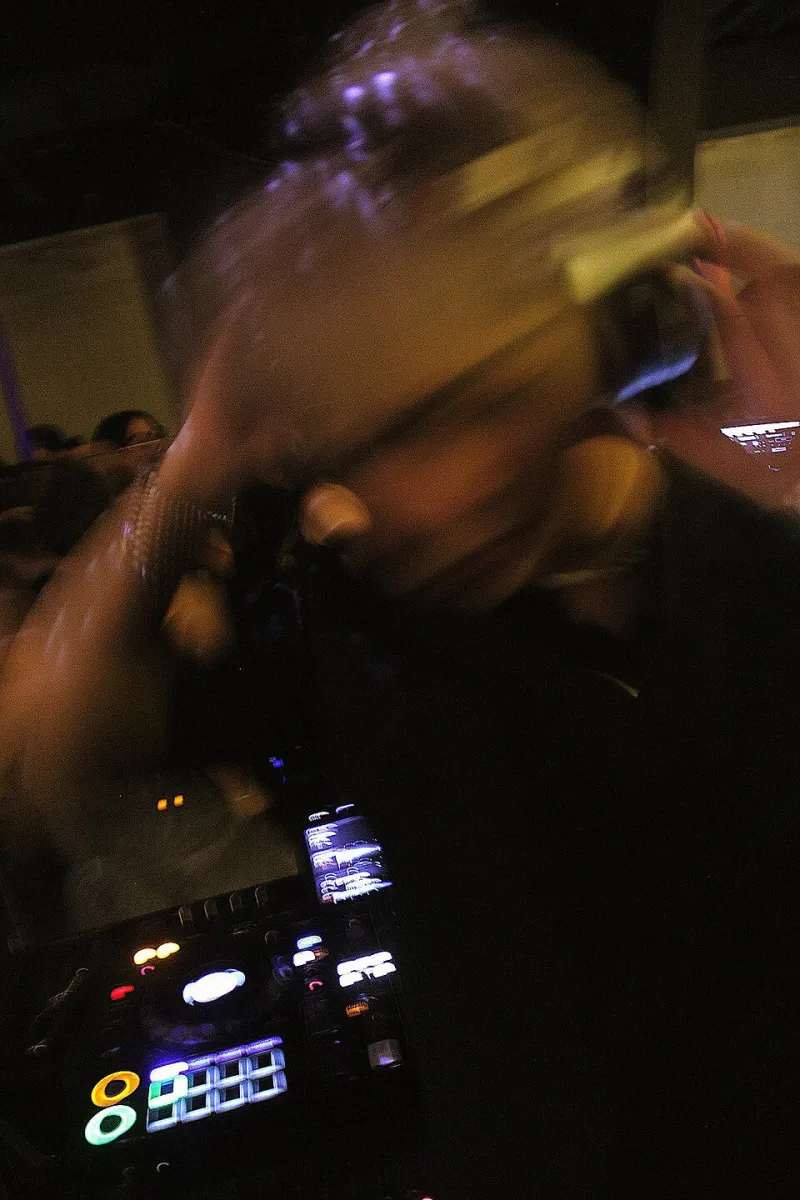
Photo: JeremyDowns, CC0, via Wikimedia Commons
There is a specific noise a club makes when a bootleg lands. It is not the drop. It is the half-second before it, when 400 people recognise a vocal they know inside out sitting on a beat it has no legal right to be near. In 2026, that noise is still everywhere — in Fabric at 3am, in a Leeds basement with a fogged-up mirror, in a Bristol soundsystem night where the DJ is sweating through a hoodie. The takedown bots are faster. The licensing departments are tidier. The group chats are still full of edits with filenames like whitney_garage_final_REAL_v3.wav.
This is not an argument for stealing. It is an argument for understanding why the unauthorised edit refuses to die, and how UK producers can keep the culture alive without turning every release into a legal headache.
The grey area is the point (but it is not a shield)
Let's be clear about the boring bit. A bootleg usually touches two copyrights: the composition and the sound recording. In the UK, there is no broad 'fair use' free-for-all. Fair dealing exists for specific things — criticism, review, news reporting, parody, education — and 'I wanted to make the breakdown go harder' is not one of them. A re-edit that uses a licensed acapella still needs permission if you share it. A white-label with a famous vocal is a grey area only in the sense that a foggy car park is grey.
That does not stop the culture. It never has.
Labels know that club edits function as marketing, archive and folklore. Some artists quietly love them. Some hate them. Most just want to know what is out there and whether it is embarrassing. The problem in 2026 is not the existence of bootlegs; it is the speed at which a private DJ tool can become a public problem. A file sent to 12 mates can be on a streaming platform by Friday, ripped and reuploaded by a bot, and flagged by a system that does not know the difference between a loving re-edit and a straight leak.
Why the club keeps the bootleg alive
Official remixes are built for release cycles. Bootlegs are built for rooms. That is the difference. A good club edit solves a practical problem: the original is too slow, too fast, too polite, too long, or missing a drum that makes people move. It lets a DJ put a much-loved vocal over a track that actually works at 2am. It lets a producer test an idea without pretending it is a single.
There is also a local thing going on. UK club culture has always been a conversation between imported records, homegrown sounds and cheeky refixes. Garage, jungle, dubstep, bassline, UK funky and the current crop of speedy things all grew up on edits that were not waiting for a clearance email. The bootleg is how a scene talks to itself. It is how a 19-year-old in Sheffield finds out that a 1990s R&B vocal sounds monstrous over a broken beat. It is how a DJ in Glasgow makes a track feel like it belongs to that city for one night only.
And yes, it is fun. Fun matters. If you have never watched a room lose its mind to a mash-up that should not work, you have not been to enough nights.
The ethics bit nobody puts on the sleeve
The legal question is messy. The ethical one is simpler. If you are making a bootleg, act like a guest in someone else's house.
Credit the original artist clearly, even if the file is only going to a few DJs. Do not sell it. Do not put it on streaming services. Do not monetise the YouTube upload. Do not leak stems, sessions or acapellas that were not yours to share. Do not pretend the vocal is your own. Do not send it to an artist's manager with a demand for an official release after 48 hours. Do not be weird about a takedown.
There is a difference between a DJ tool and a commercial product. A DJ tool is a conversation. A commercial product is someone else's income. If you blur those two, you are not a bootlegger — you are a shoplifter with a DAW.
The best edits I have heard in 2026 are not the ones with the most aggressive drops. They are the ones where you can feel the producer's manners. They chop the vocal respectfully. They leave space. They do not bury the original in a wall of plugins. They sound like someone saying 'listen to this bit again' rather than 'look what I can do'.
How to keep edits circulating without souring relationships
There is no magic legal loophole. There are, however, ways to behave that keep the culture moving and keep you out of unnecessary trouble.
First, keep it private until it has a reason to be public. Send edits to DJs you trust. Use private links with a clear filename. Tag the file with your contact and a note that it is a DJ edit, not a release. If it starts to travel, that is a signal — not a licence to upload it everywhere.
Second, be ready to pull it. If an artist or their team asks you to take something down, do it quickly and without a lecture. You can disagree. You can be disappointed. You cannot win a public argument about copyright by posting a crying emoji. A fast, polite takedown protects the next edit you want to make.
Third, build the relationship before you need it. Send the edit to the artist's team with a short, non-annoying message. Say what you did, why you did it, and that you are happy to remove it. Some will ignore you. Some will say thanks. A few will ask for a version with the vocal lower. That is how unofficial edits turn into official ones — not through bravado, but through being easy to deal with.
Fourth, do not make the original artist's life harder. Avoid using leaked material. Avoid putting edits behind paywalls. Avoid spamming every DJ in the country with a 320 of your 'exclusive'. The scene is smaller than you think. Reputation travels faster than a file.
The bootleg is dead? It is just hiding in the group chat
The bootleg is not dead in 2026. It has just learned to keep its head down. It lives in WhatsApp groups, in USB sticks passed across smoking areas, in Discord servers with 43 members and one person who always knows the good version. The licensing bots will keep getting better. The takedowns will keep coming. The urge to hear a familiar voice on a strange beat will not go away.
So defend the culture, not the theft. Credit the source. Keep the money out of it. Be quick to delete and slow to argue. And if you make something that makes a room move, send it to the artist before you send it to the world. That is how the bootleg survives — not by pretending the law does not exist, but by remembering that club culture runs on respect as much as it runs on bass.