Five-Pound Sonic Junk: A Car-Boot Sampling Safari for 2026 Producers

Photo: Whatlep, CC BY-SA 2.0, via Wikimedia Commons
There is a particular kind of UK treasure hunt that happens on a Sunday morning: damp field, thermos of tea, somebody selling a Casio keyboard with a missing key and a cardboard box of toy phones. For remixers, that box is not clutter. It is a sample pack with a fiver taped to it. Charity shops and car-boot sales are full of cheap, weird, slightly broken objects that make textures you cannot download. The trick is knowing what to buy, how to record it safely and how to turn it into something that sounds like you, not like a novelty sound effect.
Why cheap junk works
Old domestic gear has character because it was never designed for club music. A toy keyboard’s speaker distorts in a specific way. A cassette deck’s motor adds wobble. A clock radio’s tuning dial gives you static, hum and sudden bursts of interference. Those imperfections are the point. They give a remix a human edge that clean plugins often fake badly.
There is also a practical joy to it. A £3 purchase forces you to commit. You cannot scroll through 400 presets. You have one object, one microphone and an afternoon. That constraint is good for bedroom producers in 2026, when the biggest problem is often too much choice.
Safety and legal basics
First, do not plug in anything with a frayed mains cable, a cracked plug or a smell of burning. Car-boot electricals are a gamble. If you are testing mains gear, use a fused extension lead and keep it away from spills. If something hums, crackles or gets hot, stop. Battery-powered toys are safer and often sound better anyway.
Second, be careful with old batteries. Leaking alkaline batteries can damage contacts and your skin. Wear gloves, dispose of them properly and do not lick anything. This should be obvious, but car-boot fever makes people strange.
Third, think about legality. You can record yourself playing an object you own. You should not sample copyrighted music from a tape, radio broadcast, built-in demo song or toy that plays a recognisable tune. Avoid identifiable voices without permission. If you are recording in a charity shop, ask first. If you are recording a car-boot seller’s demo, ask first. And if you later use a sample that is recognisable as somebody else’s performance, get advice before release.
Five found-object processing recipes
1. The toy keyboard through a cassette deck
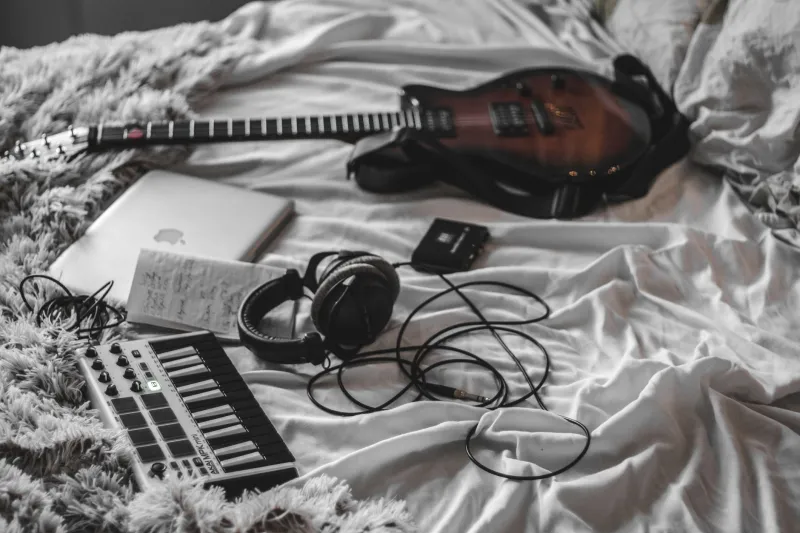
Buy the cheapest battery-powered keyboard you can find. Record a single note or chord into a cassette deck using a direct cable if possible, or a microphone if not. Pitch the recording down an octave in your DAW, add a light bitcrusher and high-pass at 120 Hz. Layer it under a garage vocal chop as a dusty counter-melody. The cassette wobble gives it movement without needing modulation plugins.
2. The tape-deck hiss bed
A £4 portable cassette player with a blank tape is a texture machine. Record 30 seconds of silence with the tape running, then record 30 seconds with the motor engaged but no input. Layer the two recordings, normalise gently and filter out everything above 8 kHz. Use it as a bed under a house intro or as a riser by automating a bandpass filter upwards. Do not use old tapes with music on them unless you have cleared the rights.
3. The toy phone vowel
Those plastic toy phones with numbered buttons often have a distorted voice chip. Record every button press, then chop the vowels and map them to a sampler. Pitch them across a bassline remix as answer-back vocal stabs. Run one copy through a short spring reverb and another through a mono delay. Keep them low in the mix. The aim is texture, not comedy.
4. The kitchen gadget contact mic
A charity-shop electric whisk, hand blender or desk fan can become a percussion source. Tape a contact microphone to the body, record it starting, spinning and stopping, then chop the best 20 milliseconds. Process with transient shaping and a tight envelope. Use the whisk as a hi-hat replacement in a techno edit or the fan as a weird sustained drone under a breakdown. Clean the gadget first. Do not put a contact mic anywhere near water.
5. The clock-radio static sweep
An old AM/FM clock radio is a classic source of noise. Set it between stations and record the tuning sweep. Avoid recording music or speech. Chop the static into one-bar loops, then use a filter to create a rising tension bed. Layer it under a blackout or a build. The magic is in the unstable crackle, so do not over-clean it. Just remove the low rumble and tame the harshest highs.
The one-fiver challenge
Give yourself a £5 limit and buy exactly one object. No extra cables, no plugin purchases, no downloading a sample pack to fill the gaps. Record the object in at least three ways: close, room and processed. Build an eight-bar loop using only those recordings plus drums from your DAW. Then arrange a two-minute track with an intro, a drop and one deliberate blackout. If it sounds bad, change the processing. If it sounds too clean, add back the noise.
The point is not to make a track that sounds like a car boot. The point is to make a track that sounds like nobody else’s sample library. Charity shops and car-boot sales are full of forgotten machines with one good sound left in them. Spend a fiver, record carefully and let the junk sing.