The Mute Button Is a Love Language: How to Get Honest Remix Feedback From Your Mates

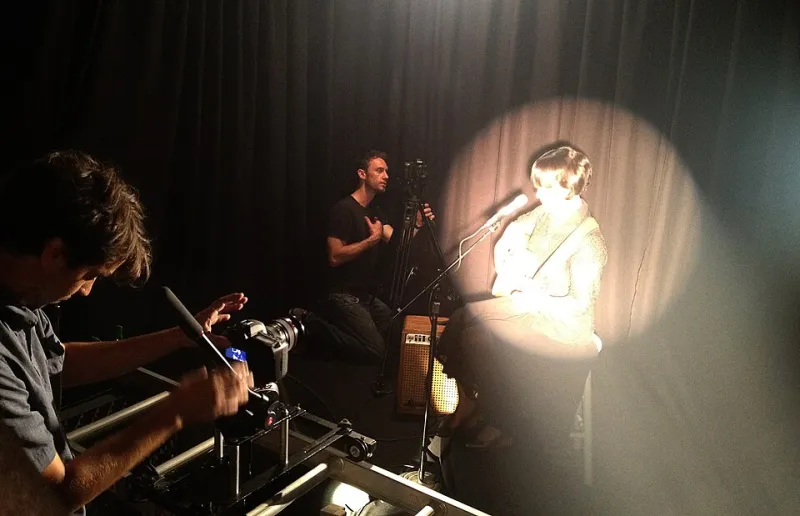
Photo: Eustusm10, CC BY-SA 4.0, via Wikimedia Commons
Every producer has one group chat that behaves like a broken compressor: everything gets squashed into the same cheerful mush. You send a private link at 11pm. Within ninety seconds you get three fire emojis, one 'hard', one 'sounds big, mate' and a voice note about someone's takeaway. Nobody mentions that the vocal is buried, the drop arrives four bars late or the bassline is fighting the kick like it owes it money.
That is not feedback. That is moral support with a side order of false confidence. And if you take that remix to a club night in Leeds or a basement in Bristol, the dancefloor will offer its own review: no emojis, just people checking their phones.
You do not need to sack your mates. You need to give them a job description. The group chat can work as a scrappy A&R panel, but only if you stop asking 'what do you think?' and start asking questions a human can actually answer.
Stop Fishing for Compliments
The first rule is simple: never post a remix with 'be honest' and then get moody when someone is honest. That is not a feedback loop, it is a trap. If you want the truth, make telling the truth feel normal and specific. Vague praise is easy because it is safe. Specific criticism is harder because it requires listening.
So frame the session properly. Say what stage the track is at. Say what you are unsure about. Say what you do not want to hear yet. For example: 'This is a rough club mix. I know the vocal edit is messy. I am mainly checking whether the drop lands and whether the low end survives on small speakers.' Now your mates are not reviewing your soul. They are reviewing two decisions.
It also helps to separate the social chat from the listening chat. One thread for memes, one thread for the tune. Otherwise your best feedback disappears under a photo of someone's new air fryer.
Run a Timed Listening Session
A group chat is terrible at simultaneous listening. People open links on trains, on laptop speakers, in kitchens with extractor fans roaring. If you want useful notes, book a short window. Twenty minutes is plenty. Everyone presses play at the same agreed time, listens once on headphones or a decent speaker, and types notes without comment until the track ends.
No pause-and-explain. No 'wait for the second drop'. No producer sitting there going 'the bit after the riser is better on the big system'. Just one pass, then notes. You can do a second listen afterwards if needed, but the first pass tells you what actually lands.
The timer matters. It stops the session drifting into a two-hour debate about plugins. It also gives quieter mates permission to chip in. Not everyone wants to interrupt the loudest person in the chat, but almost everyone can type three bullet points in twenty minutes.
Give Them Prompts, Not a Blank Page
Most people are bad at open-ended feedback because they do not know what you want. A blank page invites 'sounds big, mate'. A prompt invites actual listening. Ask for answers to three or four specific questions, and keep them practical:
- Where did you first lose attention?
- Did the kick and bass feel like one thing or two things fighting?
- Was the main hook obvious after one listen?
- What would you cut if this had to be two minutes shorter?
- Did any section feel like it was waiting for something?
That last one is gold. 'Waiting for something' is how people describe a drop that never quite arrives, a breakdown that overstays its welcome or a loop that needs a small edit rather than a new synth line. It is criticism without the sting.
You can also ask for one keep and one fix. That balance stops the thread becoming a pile-on and gives you something to protect as well as something to change.
Make Scorecards Anonymous, Then Read Them Twice
Anonymous scorecards sound terribly corporate for a group chat full of inside jokes, but they work. Build a simple form with five sliders: intro, groove, hook, low end and dancefloor pull. Add one free-text box for 'the moment it lost you'. Ask everyone to fill it in before the chat reopens. You will get braver answers because nobody has to defend their taste in real time.
Do not read the scores as a popularity contest. Read them for patterns. If three people say the vocal is low, it is low. If one person says the hi-hat is too loud, that is a taste note. If everyone says the breakdown feels long, congratulations: you have found your edit. If the scores are all eights and nines with no comments, your panel is still being polite. Tighten the prompts and try again next week.
Build a House Rule for 'Sounds Big, Mate'
You cannot ban 'sounds big, mate'. It is the national anthem of bedroom production. But you can make it a starting point rather than a verdict. The house rule: if you say it sounds big, say what sounds big. The kick? The vocal chop? The reverb tail? The arrangement? 'Sounds big' becomes useful the moment it points at something.
And if someone genuinely has nothing to say, let them say 'no notes' and sit out. Forced feedback is how you get invented problems. A mate who says 'I did not connect with it, but I cannot tell you why' is still giving you information. It might mean the hook is not clear enough yet.
Take It to the Dancefloor, Not the Group Chat
The group chat is a filter, not a final judge. Once you have acted on the clear patterns, test the remix in a real room: a pub with a decent sub, a friend's party, a club night warm-up if you are lucky. Watch feet, not faces. Notice when people drift. Notice whether the hook survives chatter and glass clatter.
Then go back to the chat with what happened. Tell them the drop worked but the intro lost the room. Tell them the bass disappeared on a small system. That closes the loop and teaches your mates how to listen next time. Feedback improves when people see the consequences.
Most of all, protect the friendships. A remix is not worth losing a mate over, and a mate is not obliged to become your A&R department. Keep the tone light, keep the asks specific, and keep the memes in the other thread. The truth is easier to hear when it arrives with a bit of structure and absolutely no expectation that anyone says 'sounds big, mate'.