Mumble Mechanics: Forging Group-Chat Vocals Into a Club Hook

There is a very specific sound that lives in every UK group chat: someone half-singing a line they have clearly made up on the spot, a mate laughing three seconds too long, and a voice note that begins with 'right, hear me out' before trailing off into something genuinely useful. The Remix Company is not here to tell you to turn every burp into a bassline. We are here to help you find the accidental gold, shape it into a hook, and do it without making anyone feel like their private chatter has been harvested.
Ask First, Sample Second
Start with the boring-but-essential bit. Before you drag a voice note into your DAW, ask the person who sent it. A simple message saying you want to pitch it, chop it and play it out is usually enough. If they say yes, keep a screenshot of that yes. If they say no, move on. If the voice note contains someone else in the background, or anything personal about health, work or relationships, treat it like a hot pan: leave it alone unless everyone involved is happy.
The practical version is this: consent is not a vibe, it is a record. Credit people if the hook becomes a proper part of the track. It keeps the group chat friendly and it means you can send the finished remix back into the same chat without a sudden silence. Nobody wants a tune that starts with a laugh and ends with a falling-out.
Sort the Chatter Before You Sculpt
A voice note is rarely one usable idea. It is usually three ideas, a cough and a fridge humming in the background. Listen once for the emotional shape, then listen again with a razor. Pull out the half-sung phrase, the weird vowel sound, the little upward inflection at the end of a sentence. Those are your raw materials.
Name the clips properly. 'Voice note 4 final final' is how sessions die. Use something like 'hook_idea_high', 'adlib_oh', 'ramble_rhythm'. If you are working with a long ramble, chop it into one- or two-second pieces before you even think about tuning. The rhythm of speech is often more useful than the words. A mumbled 'yeah, yeah, yeah' can become a stuttery vocal stab. A sigh can become a riser. A laugh can become a snare layer if you are feeling reckless.
Pitch, Formant and the Art of Almost-Singing
This is where the mumble becomes a hook. The trick is not to make it sound like a polished vocalist. The trick is to make it sound like a strange, catchy human moment that belongs on a club record.
Start with clip gain. Get the level consistent before any processing. Then reach for pitch correction or a pitch-shifting plug-in and move in small steps. A semitone or two up can make a lazy phrase sound alert and bright. Dropping it down can add weight without turning it into a parody. If your plug-in has separate formant control, use it gently. Formant shifting changes the character of the voice without changing the note. A little up makes the vocal sound younger and thinner; a little down makes it darker and more physical. The sweet spot is usually where it still sounds like your mate, just stranger.
Do not be afraid to double the phrase. Copy the clip, nudge one version a few milliseconds late, and pan them. That tiny mismatch gives you width and a bit of human wobble. If you want a chant, cut the same vowel sound from three different words and sequence them into a rhythm. The words do not have to make sense. In a club, 'ooh', 'ah' and 'eh' do a lot of heavy lifting.
Gates, Edits and the Illusion of a Performance
Voice notes are full of room noise, mouth clicks and the sound of someone moving their phone. A hard gate will chop the tails off and make the vocal sound unnatural. Use an expander or a gentle gate with a slow release instead. If you can, edit the silence manually. It takes longer, but it sounds better and it gives you control over the breath before the phrase.
For a club hook, repetition is your friend. Take the best two seconds and loop them. Then break the loop. Drop the last syllable. Reverse the phrase before the drop. Put the same clip through a short reverb with the low end filtered out, then print it and chop the tail. The aim is not a clean vocal performance; it is a rhythmic texture that people can latch onto after one listen.
The Three-Speaker Test
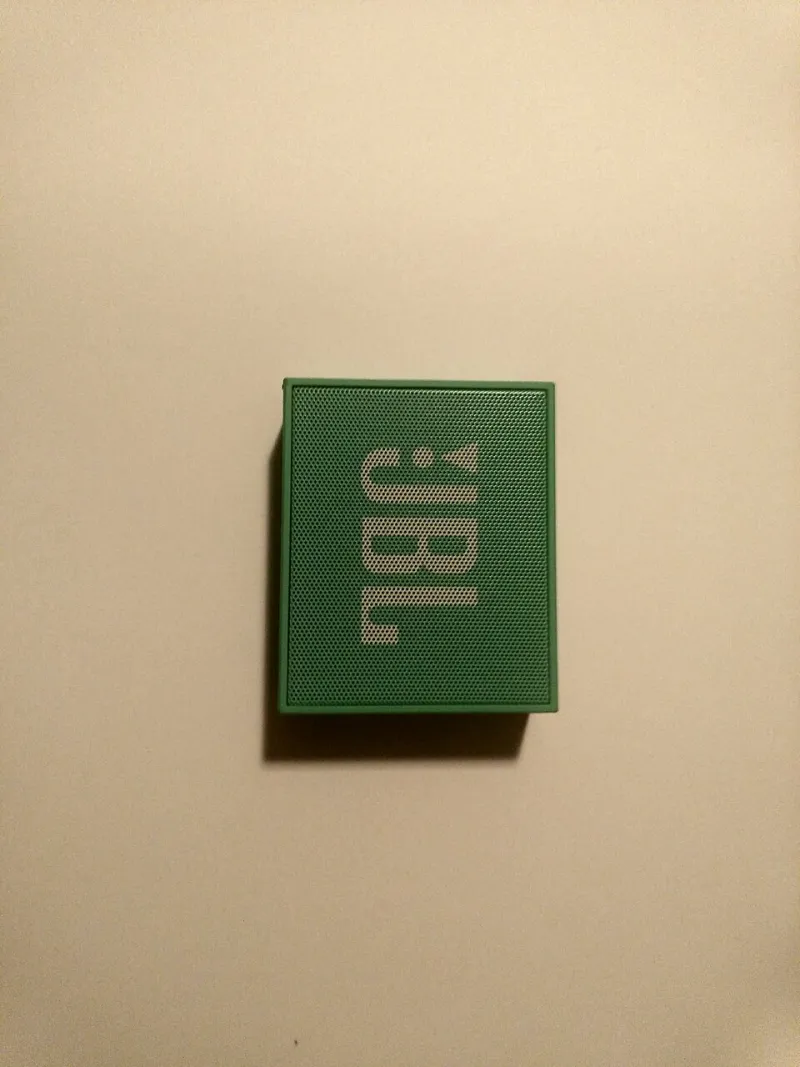
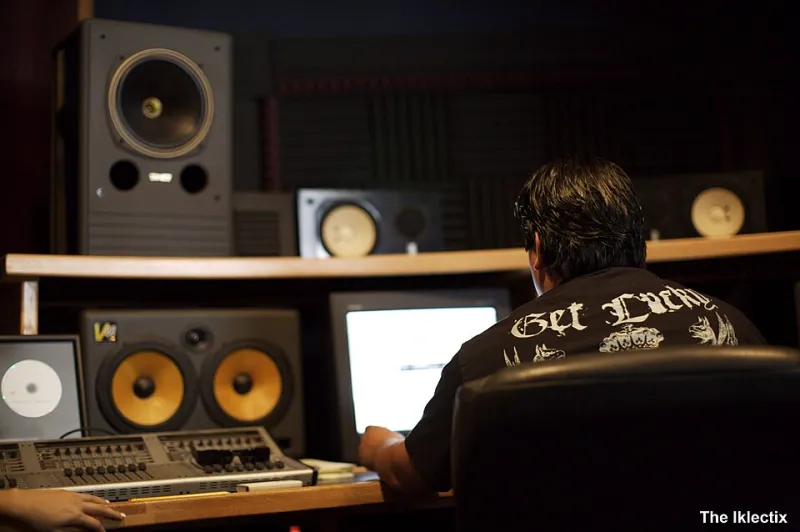
A hook can sound huge in headphones and vanish everywhere else. Test it in three places. First, your phone speaker. If the rhythm and the vowel sound still land, you have got something. Second, a car aux or a cheap Bluetooth speaker with the windows down. Road noise is a brutal filter. If the hook disappears under the kick, carve out a little space with EQ or turn the vocal up in the mix. Third, a proper soundsystem if you can get access to one. A friend with a decent rig, a rehearsal room, a venue soundcheck, anywhere with real subs. The low midrange is where mumbles go to die. High-pass the vocal, check the 2-5 kHz area for clarity, and make sure the consonant sounds are not so sharp that they sting.
Bounce It and Send It Back
Once the hook works, bounce a rough version and send it to the person who sent the voice note. Not as a legal document, just as a 'here is what happened to your silly message'. Most people are delighted. Some will ask for the vocal to be louder. One will ask why their laugh is now a snare. That is the job.
The best group-chat hooks are not the most polished performances. They are the ones that sound like a private joke that somehow makes sense on a dancefloor. Get permission, chop carefully, pitch with restraint, and test the thing on the three speakers that actually matter. Then let the mumble do its work.