Pint-Glass Translation: Field-Testing Your Club Remix in a Noisy Boozer
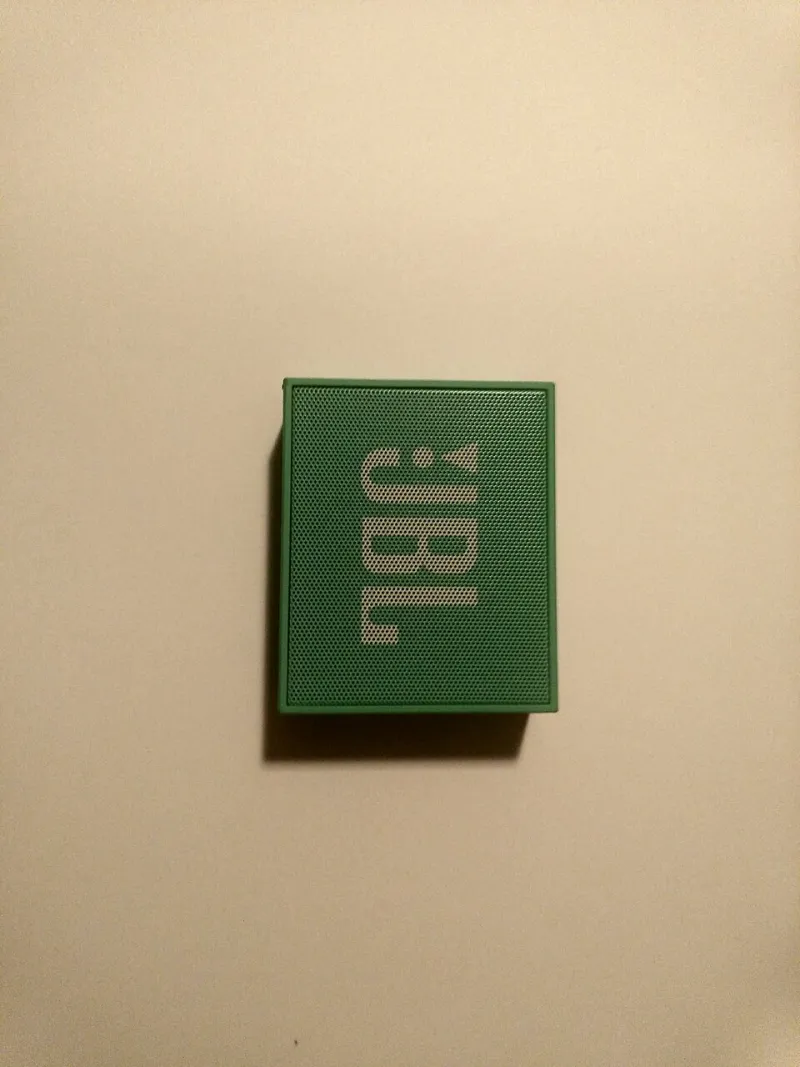
Photo: Poisl.matyas, CC BY-SA 4.0, via Wikimedia Commons
There is a particular kind of silence that follows a bad remix in a pub. Not actual silence — pubs are never actually silent — but the moment your mate leans across the table, pint in hand, and says, “What’s this meant to be?” That is the sound of a mix failing the only test that matters before the club: can anyone tell what is going on when the room is working against you?
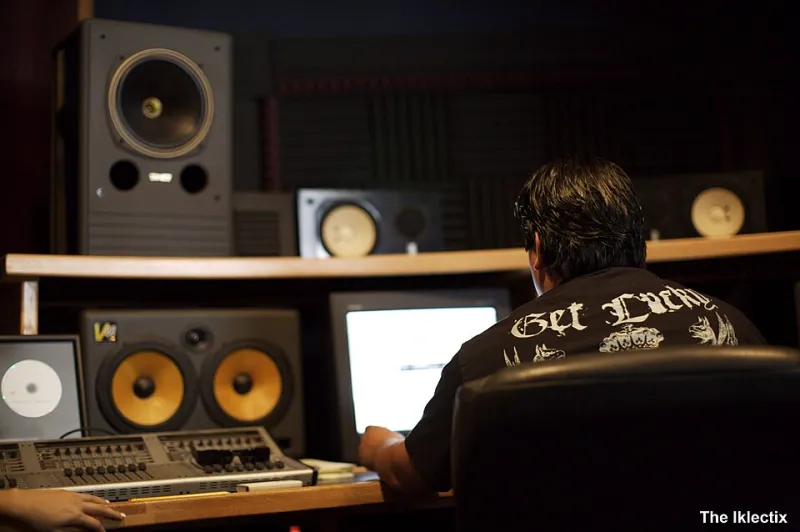
Studio monitors are brilliant liars. They reward detail, width and low-end weight that may never survive a club system, let alone a phone speaker perched on a pub table. A proper club check is still essential, but by the time you are standing in a dark room at 1 a.m. with a warm lager and a bassbin in your chest, it is a bit late to discover your vocal has disappeared. The noisy pub is the awkward middle ground. Use it.
Why a boozer beats a club for early checks
A club system tells you whether your track can move a room. A pub tells you whether your track can survive a room that does not care. There is chatter, glass clatter, a fruit machine, a telly showing something no one is watching, and a tiny speaker doing its absolute best. It is not a fair test. That is precisely why it is useful.
In the studio, you hear your remix. In a pub, you hear what is left of it. The parts that cut through are usually the parts with a clear job: the vocal hook, the snare crack, the little percussive tick that keeps the groove alive. The parts that vanish are often the ones you were most precious about — the wide pad, the subtle reverb tail, the bass note that only exists in your head. This is not a reason to make everything louder. It is a reason to find out what your track is actually saying.
What the pint-glass test measures
This is not a scientific process, and anyone who tells you otherwise has probably never tried to balance a Bluetooth speaker on a beer mat. But a short field test in a noisy UK pub will expose four things quickly.
Vocal intelligibility
Can your mate follow the vocal after one listen? Not every word — that is unrealistic in a noisy room — but the hook, the phrase, the thing people are meant to latch onto. If the vocal is muffled by synths, smeared by reverb or buried under a bassline, a club system will not magically fix it. It will just make the problem bigger.
Midrange punch
Midrange is where the argument happens. It is where vocals, snares, claps, lead stabs and guitar-ish samples all compete for attention. A tiny speaker in a noisy room is basically a midrange exam. If your snare disappears under the vocal, or the vocal disappears under the snare, you will hear it here. If everything turns into a polite fog, you have got a midrange problem, not a volume problem.
Low-end translation
A pub speaker will not reproduce the bottom octave of your kick. That is fine. What you are listening for is whether the low end still has a shape. Does the kick read as a thump rather than a rumble? Does the bassline move, or is it just a continuous smear? If the low end only works when you are sitting directly in front of studio monitors, it is not translated yet. It is just local.
Arrangement discipline
A noisy room is ruthless with busy arrangements. If your remix has three ideas fighting for the same space, the pub will flatten them into one unhelpful mush. If the intro takes 45 seconds before anything recognisable happens, you will see your mate’s eyes drift to the football. That is useful feedback. It does not mean you need a drop every eight bars. It means the track needs a clear reason to keep listening.
The 20-minute field test
You need four things: a pint, a mate, one stubbornly tiny Bluetooth speaker and your phone. A notebook helps, but the notes app is fine. Do not use the pub’s house system. The whole point is the worst-case scenario.
Pick three tracks: your remix, a reference track you trust, and — if you have one — a stripped-back version of your remix with the vocal and drums pushed forward. Play them at a volume that feels slightly too quiet for the room, then a little louder. Not antisocially loud. Just enough to make the speaker fight the chatter.
Sit opposite your mate. Do not tell them what to listen for. Ask three questions: can you hear the vocal, what is the main hook, and does the kick feel like it is in time with the bass? Then swap seats. The corner of a pub changes everything. If the track only works from one spot, that is information.
Use the pint glass as a sanity check, not a magic trick. Put it down. Stop faffing. Listen. If you find yourself explaining what the track is supposed to do, the track is not doing it.
Fixes for mixes that only work in the studio
If the pub test exposes problems, resist the urge to turn everything up. That is how you end up with a remix that sounds like a car alarm with a kick drum. Fix the job, not the volume.
For vocal intelligibility, check the 1–4 kHz area for clutter. A gentle dynamic EQ can make space without making the vocal harsh. Try a parallel saturated vocal chain for presence, but keep the clean signal in charge. If the vocal is drenched in reverb, shorten the decay and high-pass the reverb return. You want atmosphere, not fog.
For midrange punch, solo your drums and vocal. If the snare and vocal are fighting, decide which one owns the moment. Sometimes a small cut on the synth bus is enough. Sometimes the clap needs to be shorter and snappier. Check your mix in mono — not because mono is better, but because it exposes masking. If the track collapses in mono, it will collapse in a noisy pub too.
For low-end translation, high-pass everything that is not kick or bass. That includes pads, reverbs and any sampled loops with hidden rumble. Keep the sub-bass mono below roughly 120 Hz unless you have a very good reason not to. Sidechain the bass to the kick if they are sharing space, but do not overdo it. You want movement, not pumping for the sake of it.
For arrangement, simplify. Mute one element for eight bars and see if the track still works. If it does, that element might be decoration rather than structure. A remix that holds attention at low volume usually has strong bones. A remix that only works loud is often just busy.
The pint-glass checklist
Before you trust a club system with your 2026 remix, run this quick check in a noisy pub:
- Can your mate repeat the vocal hook after one listen?
- Does the snare or clap still cut through the chatter?
- Does the kick read as a defined thump, not a low-end smear?
- Does the bassline move, or does it just sit there?
- Is there a clear moment that makes you want to nod your head?
- Does the intro survive when no one is paying attention?
- Does the track sound interesting when it is quiet?
This is not a replacement for proper monitoring, a club check or a decent set of references. It is a translation test. A remix that survives a pint, a mate and a tiny speaker in a noisy boozer has a much better chance of surviving a club system. And if it does not survive the pub, at least you have only wasted one round — not a whole night out.